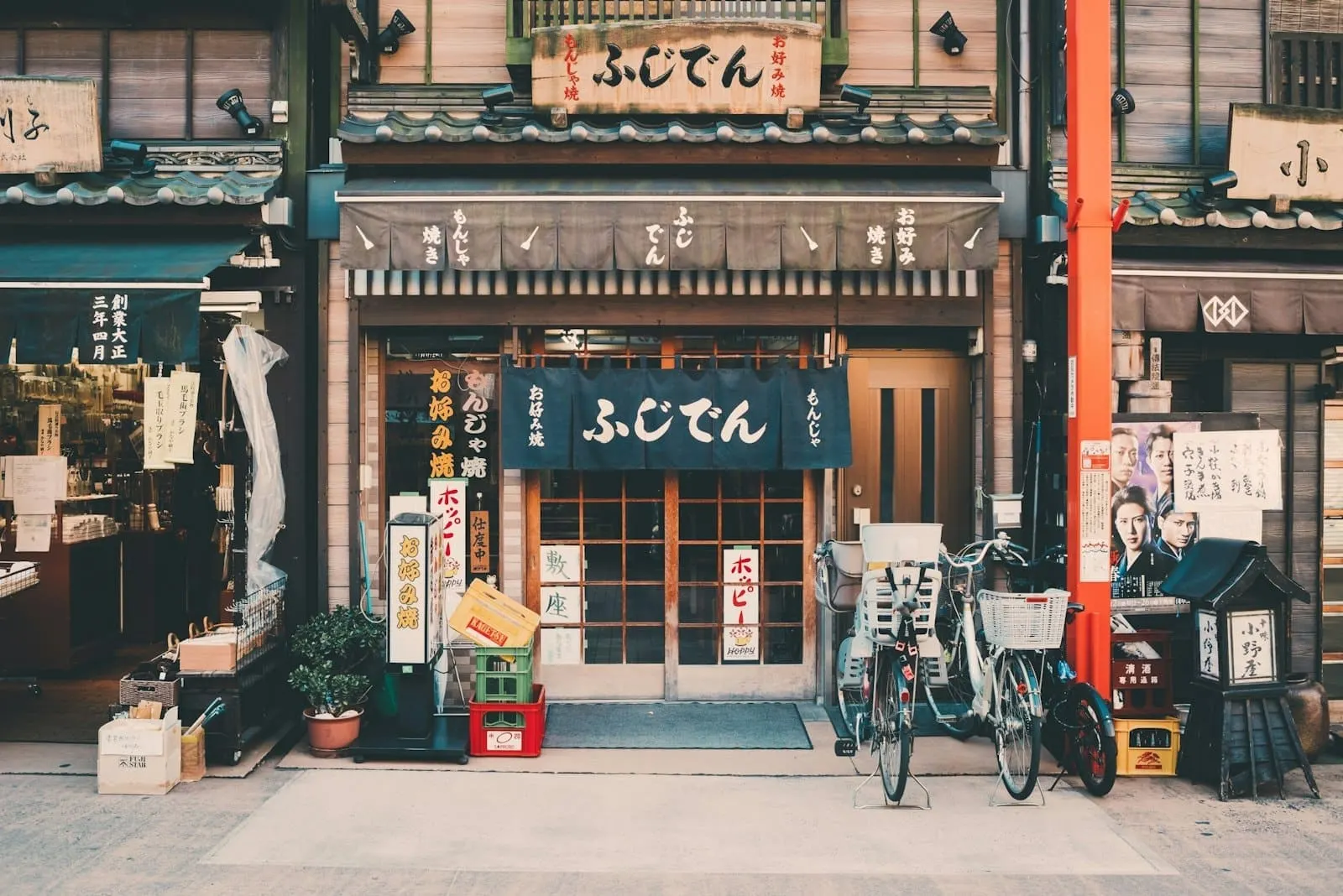

Packing for Japan is different from packing for Europe or Southeast Asia. The climate swings from humid summers to freezing winters, the outlets are a specific shape, and you’ll walk more than you think — 20,000+ steps a day is normal in Tokyo.
This packing list is built from real experience. No fluff, no “nice-to-haves.” Just the essentials that will make your trip smoother, organized by category.
If you’re still planning your route, start with our 7-day Japan itinerary for first-timers — it covers the classic Golden Route and will help you decide how much to pack.
⏱️ The 10-Second Summary
| Category | Must-Have | Nice-to-Have | Skip It |
|---|---|---|---|
| Documents | Passport, JR Pass voucher | International driver’s license | Printed hotel confirmations (digital is fine) |
| Electronics | Travel adapter, power bank | Pocket WiFi rental | Voltage converter (not needed for phones/laptops) |
| Clothing | Comfortable walking shoes | Layering pieces | Bulky jackets (buy a Uniqlo heat-tech instead) |
| Toiletries | Prescription meds | Deodorant (Japanese ones are weak) | Shampoo/soap (hotels provide them) |
| Money | IC card, cash (yen) | Coin purse | Traveler’s checks (nobody accepts them) |
Skip hours-worth of exhausting online research. Grab my printable, well-organised PDF travel blueprint for your Japan journey.
Get the PDF Guide →🔌 Electronics: The Non-Negotiables
Travel Adapter
Japan uses Type A outlets (two flat parallel prongs, the same as North America). If your devices have US-style plugs, you technically don’t need an adapter. But here’s the catch: many modern chargers (especially laptops and camera batteries) use bulkier plugs that don’t fit Japanese outlets, which are often recessed.
A universal travel adapter solves this permanently. It works in Japan and 150+ other countries, has two USB ports built in, and costs under $25. One adapter, every trip, done.
Power Bank
You will use your phone more than you think. Google Maps for navigation (Japan’s addressing system is notoriously confusing), translation apps, train timetables, Instagram photos — it drains your battery fast.
An Anker PowerCore 10000 gives you 3 full phone charges per outing. It’s compact (fits in any pocket), reliable, and under $30. Don’t cheap out on power banks — a no-name brand will die by lunchtime.
Pocket WiFi
Don’t rely on roaming. International data plans are expensive and often throttled. A Pocket WiFi rental costs about $2–$3.50/day and gives you unlimited 4G for your entire trip. Pick it up at the airport when you land, drop it off when you leave.
Pro tip: Pocket WiFi is better than a SIM card if you’re traveling with a partner or group — one device connects up to 10 phones. Split the cost and it’s cheaper than individual SIMs.
👕 Clothing: Pack for Walking, Not for Photos
Shoes: The #1 Priority
You will walk 15,000–25,000 steps per day in Japan. This is not an exaggeration. Tokyo’s attractions are spread out, Kyoto’s temples require lots of walking, and you’ll explore shopping streets on foot.
Bring shoes you’ve already broken in. Do not bring new shoes. Do not bring shoes that look good but hurt after an hour. Bring your most comfortable walking shoes — sneakers or trail shoes — and accept that they’ll get dirty.
Pack a second pair (sandals or slip-ons) for evenings and restaurant visits where you might need to remove your shoes.
Clothing by Season
| Season | Months | What to Pack |
|---|---|---|
| Spring | Mar–May | Light jacket, long-sleeve shirts, comfortable pants. Layers — mornings are cold, afternoons warm. |
| Summer | Jun–Aug | Breathable t-shirts, shorts, hat, sunglasses. It gets very humid — pack moisture-wicking fabrics. |
| Autumn | Sep–Nov | Same as spring — layers. Light jacket for November evenings. |
| Winter | Dec–Feb | Warm coat, scarf, gloves, thermal underwear. Tokyo winters are dry and cold (2–10 degrees C). |
Insider tip: Japanese fashion is smart-casual. You don’t need formal wear unless you’re visiting high-end restaurants or attending a wedding. Clean, neat, comfortable is the standard.
What Not to Pack
- Bulky jacket: Takes up half your suitcase. Buy a Uniqlo Ultra Light Down jacket when you arrive — it packs into a tiny pouch and costs about $50.
- Too many outfits: Japanese laundromats (coin laundry) are everywhere and cheap. Pack for 4 days, do laundry once.
- Formal wear: Unless you have a specific event, skip it.
📑 Documents & Money
Documents
| Document | Required? | Notes |
|---|---|---|
| Passport | Yes | Must be valid for 6+ months from entry |
| Visa | Depends | 90-day visa-free for most Western countries |
| JR Pass voucher | If buying | Buy before arriving in Japan |
| Travel insurance | Recommended | Check if your credit card covers it |
| International driver’s license | Only if renting a car | Most tourists don’t need this |
Money
Japan is increasingly card-friendly, but cash is still king in many places: small restaurants, temple entry fees, vending machines, and rural areas.
- Bring 30,000–50,000 yen ($200–$340) in cash for your first few days.
- Withdraw more at 7-Eleven ATMs — they accept foreign cards and have English menus. Other ATMs often don’t.
- Get an IC card (Suica or ICOCA) for tap-and-pay transit and convenience store purchases. You can buy one at any train station.
Coin purse: You’ll accumulate coins fast — 100 yen and 500 yen coins are used constantly. A small coin purse is a lifesaver. Buy one at a 100-yen shop when you arrive.
For a full breakdown of trip costs, see our Japan travel budget guide.
🧴 Toiletries: What to Bring vs. What to Buy
Bring These
- Prescription medications: In their original packaging, with a copy of your prescription. Japan has strict rules on certain medications (especially ADHD meds and anything containing pseudoephedrine — check before you travel).
- Deodorant: Japanese deodorant is formulated differently and many travelers find it too weak. Bring your own.
- Sunscreen: Available in Japan, but often expensive and in small bottles. Bring a travel-size bottle.
Skip These (Hotels Provide Them)
- Shampoo and conditioner
- Body soap
- Toothbrush and toothpaste
- Razor
- Slippers (provided at hotels, ryokan, and even some restaurants)
- Towels and hair dryer
Buy These in Japan
Japan’s drugstores (Matsumoto Kiyoshi, Welcia, Don Quijote) are famous for quality, affordable products:
- Moisturizer and skincare
- Facial cleansing foam
- Lip balm
- Eye drops (Japanese eye drops are legendary)
- Any toiletry you forgot — you’ll find it at a konbini within 5 minutes of your hotel
🎒 The Daypack: What to Carry Daily
You won’t carry your full suitcase around. Here’s what to keep in your daypack:
| Item | Why |
|---|---|
| Power bank + charging cable | Your phone will die by 3 PM |
| Pocket WiFi + spare battery | Staying connected for maps and translation |
| IC card (Suica/ICOCA) | Tap-and-pay for trains and konbini |
| Cash + coin purse | Small shops and temple fees |
| Water bottle | Vending machines are everywhere, but a bottle saves money |
| Handkerchief or small towel | Many public restrooms don’t have paper towels |
| Plastic bag | For trash — public trash cans are rare in Tokyo |
| Comfortable walking shoes | Already on your feet, but bring a backup pair for evenings |
Trash tip: Japan has very few public trash cans. Carry a small plastic bag in your daypack for wrappers, bottles, and other waste. You’ll dispose of it at your hotel or a konbini.
📋 Packing Checklist (Printable)
Documents
- Passport (valid 6+ months)
- JR Pass voucher (if purchased)
- Travel insurance card
- Flight/hotel confirmations (digital is fine)
Electronics
- Universal travel adapter
- Power bank (10,000mAh)
- Pocket WiFi rental (booked, pick up at airport)
- Phone charging cables (2 — one for hotel, one for daypack)
- Headphones
Clothing
- Comfortable walking shoes (broken in!)
- Second pair (sandals or slip-ons)
- 4 days of clothing (plan to do laundry)
- Light jacket or layering pieces
- Socks (clean socks matter — you’ll remove shoes often)
Toiletries
- Prescription medications (in original packaging)
- Deodorant
- Sunscreen (travel size)
- Contact lenses + solution (if applicable)
Daypack Items
- IC card (buy at station or load onto iPhone)
- Cash (30,000–50,000 yen)
- Coin purse
- Handkerchief or small towel
- Plastic bags (for trash)
- Water bottle
Optional but Useful
- Lonely Planet Japan guidebook — the most comprehensive printed guide
- Translation app (Google Translate — download Japanese offline)
- Reusable shopping bag (for konbini and souvenir runs)
❌ What Not to Bring
- Hair dryer: Every hotel and hostel has one
- Towels: Provided everywhere
- Toiletries (basic): Hotels provide them
- Too many clothes: Pack light, do laundry
- Traveler’s checks: Nobody accepts them
- Voltage converter: Not needed for phones, laptops, or cameras (Japan is 100V, which works fine with dual-voltage chargers)
❓ FAQ
Can I buy everything I need in Japan?
Almost. Japan’s convenience stores and drugstores are incredibly well-stocked. If you forget deodorant, sunscreen, or a phone charger, you can buy it within 10 minutes of landing. The exceptions are prescription medications (bring those) and specialized electronics (bring your adapter and power bank).
How much should I pack for a 7-day Japan trip?
A carry-on suitcase or a 40L travel backpack is plenty for 7 days. Pack 4 days of clothing and do laundry once. Japanese laundromats are clean, cheap (300–500 yen per load), and everywhere.
Do I need to bring a voltage converter?
No. Japan uses 100V, which is compatible with all modern phone, laptop, and camera chargers (they’re dual-voltage 100–240V). You only need a plug adapter, not a voltage converter.
Should I bring cash or card?
Both. Bring 30,000–50,000 yen in cash for your first few days, then withdraw more at 7-Eleven ATMs as needed. Credit cards are widely accepted in Tokyo and Osaka, but many small restaurants and rural areas are cash-only.
Is it worth bringing a guidebook?
If you like having offline reference material, yes. The Lonely Planet Japan guidebook is the most comprehensive option with detailed maps, neighborhood walks, and local tips that you won’t always find online. It’s especially useful if you’re traveling outside the major cities where English information is sparse.