Every person should attend at least one fireworks festival during summertime in Japan. A fantastic hanabi-night trip relies on knowing how to pick a worthwhile fireworks event. I recently visited the well-known Edogawa Fireworks Festival in Tokyo and summed up my travel notes after plenty of pre-trip research. Here are three straightforward beginner tips.
Flights: Flying to Tokyo for a fireworks show? Use Aviasales to compare prices across all airlines — booking 6–8 weeks ahead typically saves 25–40% on short-haul Asia routes.
Skip hours-worth of exhausting online research. Grab my printable, well-organised PDF travel blueprint for your Japan journey.
Get the PDF Guide →🎆 Step 1: Choose Your Fireworks Event
Hundreds of fireworks festivals are hosted across Japan from July to August each year. If your whole trip centres around fireworks, head straight for Japan’s top-three legendary hanabi festivals: Nagaoka, Omagari, and Tsuchiura Firework Festival.
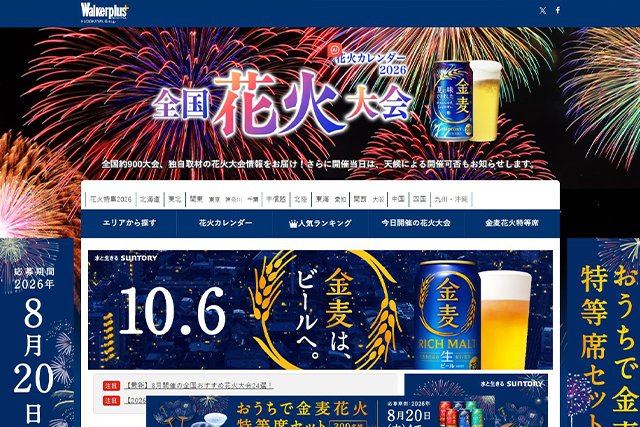
Most travellers only plan to squeeze a fireworks show into their Tokyo travel schedule. You can browse the full-updated event calendar via hanabi.walkerplus — it’s the most reliable Japanese fireworks database with dates, locations, and launch counts for every show nationwide.
I compared dozens of hotel options one week ahead and booked Fresa Inn Hamamatsuchō. This location is extremely convenient — you can easily travel toward Sensoji Temple and the Edogawa fireworks venue, or visit Shinjuku and vintage-shopping streets at Koenji the next day. Compared with pricey accommodation in Ginza and central Shinjuku, this hotel brings great value for money.
Transit tip: If you’re travelling between cities, the JR Pass (7-day) gives you unlimited Shinkansen rides — perfect for chasing multiple fireworks festivals across Japan.
🔥 Step 2: Judge the Quality of Each Fireworks Show
After confirming the date and venue, check the total number of fireworks and their sizes. Read real-life visitor feedback online so you can skip poorly-rated venues.
I finally crossed the Sumida River Fireworks Festival off my list due to lots of bad traveller reviews — overcrowded viewing spots, long waits, and limited visibility from free areas. The Edogawa show, by contrast, launched over 14,000 fireworks and had plenty of comfortable riverside space.
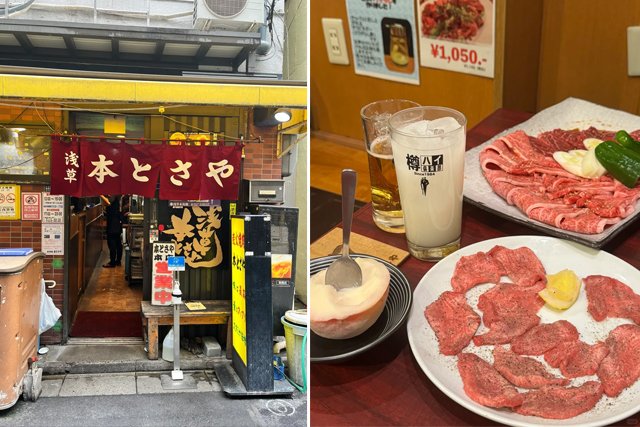
We ate lunch at Hontosaya, a charcoal-grilled-beef restaurant close to Sensoji Temple. It has now become my absolute-favourite yakiniku spot within Tokyo. All beef cuts are freshly sliced on-site — the tendon and steak melt on your tongue. Their cold noodle soup is refreshing, and warm pork-rib soup makes you feel relaxed.

Later I got my kimono styled at Senjyu-Hagoromo Kimono Rental near Sensoji. Many staff members speak Chinese. The stylist was incredibly patient and readjusted my bangs and outfit many times. Wearing a yukata to a fireworks festival is a quintessential Japanese summer experience — highly recommended.
🏞️ Step 3: Paid Seating vs Free Viewing Spots
Fireworks-festival viewing spots fall into two categories: reserved paid seats and free riverside spots.
Premium paid seats require ticket-booking one-to-three months in advance. You get an immersive view with fireworks bursting directly overhead. Prices typically range from ¥3,000 to ¥10,000 depending on proximity.
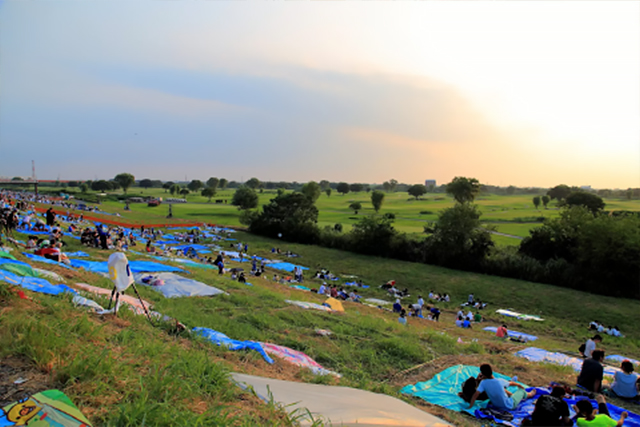
Unreserved free spots only require you to arrive two-to-three hours early to claim your space — perfect for portrait-style photographs against fireworks.
My friend asked whether it was okay to skip all research and head straight for the venue. Absolutely. Careful planning only adds extra comfort. Summer is meant for impulsive adventures and joyful moments.
I only recommend stocking up on snacks and drinks from convenience stores ahead of time. Fireworks taste far better paired with drinks.
We arrived at the free viewing zone at Shinozaki Park at 17:30. Plenty of empty spots remained on the riverbank, so there was no need to pay someone to reserve a spot for us. I spread out my large silk scarf as a picnic mat and started my pre-show drinks.
This hanabi show was once scheduled for cancellation because of an approaching typhoon. Luckily the storm changed its route, and we caught a breathtaking sunset above the river before the first launch.
Don’t forget: A universal travel adapter and a compact power bank are essentials for long festival evenings — you’ll need your phone charged for photos and navigation back to your hotel.
✨ The Moment Everything Made Sense
Once I travelled 1,780 kilometres and sat alongside thousands of visitors while the summer breeze carried sunset glow, I understood one simple truth: precious summer memories can be preserved forever beneath bursting fireworks.
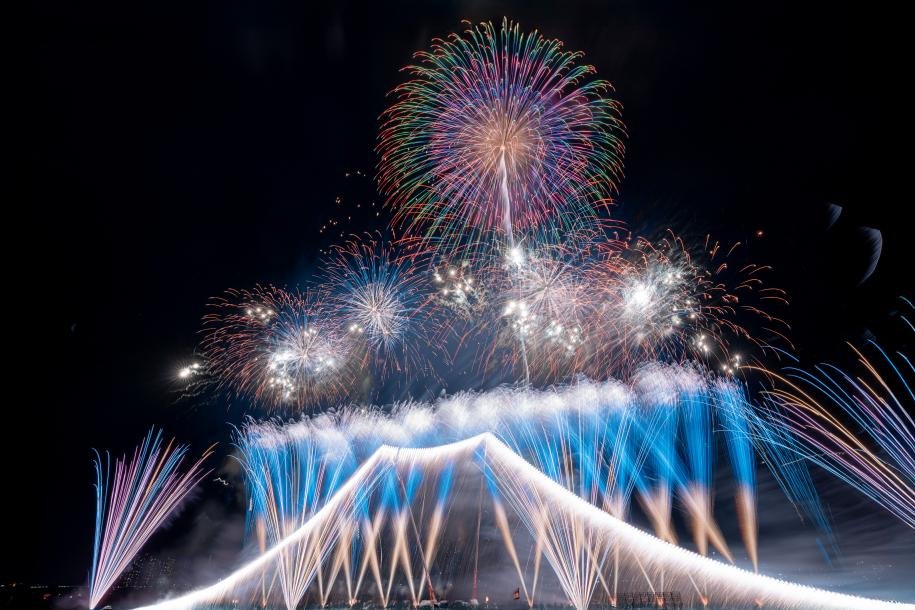
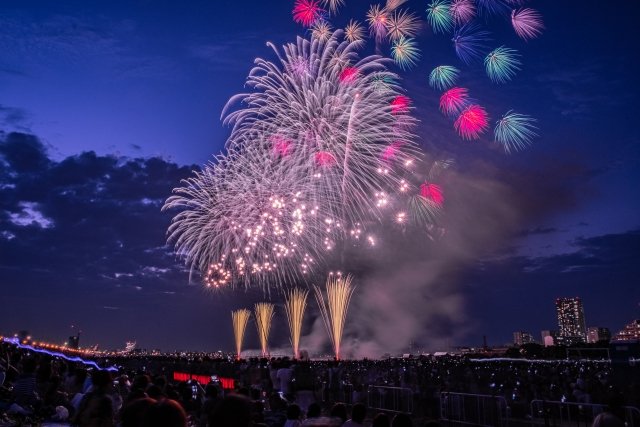
The Edogawa show launched 14,000 fireworks in 75 minutes — gold willow cascades, Niagara Falls imitations, and a grand finale that lit up the entire riverbank. The crowd gasped in unison. Children pointed at the sky. Couples held hands in silence.
That’s the magic of a Japanese hanabi festival. It’s not just about the fireworks — it’s about the shared experience of summer itself.
📋 Quick Checklist Before You Go
| Item | Details |
|---|---|
| When | July–August, check hanabi.walkerplus for exact dates |
| Where | Edogawa Fireworks Festival, Shinozaki Park |
| Arrive by | 17:00–17:30 for free spots (show starts ~19:15) |
| Bring | Picnic mat, snacks, drinks, mosquito repellent |
| Wear | Yukata (optional but recommended), comfortable shoes |
| Nearest station | Shinozaki Station (JR Sobu Line), 10-min walk |
Note: This post shares my personal travel experience for the Edogawa fireworks festival. For full Tokyo fireworks timetables, secret photo-friendly viewpoints, ticket-buying tutorials, and common-mistake checklists, grab the complete Gumroad PDF guide.