
“When is the best time to visit Japan?” is the question we get most often — and the answer isn’t as simple as “cherry blossom season.”
Japan has four distinct seasons, each with its own personality. The right time depends on what you want: perfect weather, fewer crowds, lower prices, or a specific festival.
This guide breaks it down month by month so you can make an informed decision. For costs and budgeting, pair this with our Japan travel budget guide.
⏱️ The 30-Second Answer
| Season | Months | Best For | Watch Out For |
|---|---|---|---|
| Spring | Mar–May | Cherry blossoms, mild weather | Peak crowds, high prices |
| Summer | Jun–Aug | Festivals, hiking, fireworks | Extreme heat and humidity |
| Autumn | Sep–Nov | Fall foliage, comfortable weather | Typhoons in September |
| Winter | Dec–Feb | Snow, hot springs, fewer crowds | Cold, short daylight hours |
Our pick: Late October to November for the best balance of weather, scenery, and reasonable crowds.
Skip hours-worth of exhausting online research. Grab my printable, well-organised PDF travel blueprint for your Japan journey.
Get the PDF Guide →
🌸 Spring (March–May): Cherry Blossom Season
March
| Metric | Details |
|---|---|
| Temperature (Tokyo) | 6–13 degrees C (43–55 F) |
| Rainfall | Moderate |
| Crowds | High (late March) |
| Prices | Peak |
March is when Japan’s cherry blossom frenzy begins. The first blooms typically appear in Tokyo around March 20–25, with peak bloom (mankai) about one week later.
What’s great: The cherry blossoms. Parks, riversides, and temple grounds transform into pink-and-white wonderlands. Hanami (flower viewing parties) are a national tradition.
What’s not: Prices spike 30–50% for flights and hotels in late March. Popular spots (Ueno Park, Meguro River, Shinjuku Gyoen) are packed. Book everything 3–6 months ahead.
Flight tip: Use Aviasales to compare prices across all airlines. Booking 2–3 months ahead typically saves 20–40%, even during cherry blossom season.
April
| Metric | Details |
|---|---|
| Temperature (Tokyo) | 10–18 degrees C (50–64 F) |
| Rainfall | Low |
| Crowds | Very high (first week) |
| Prices | Peak |
Early April is peak cherry blossom season in Tokyo and Kyoto. By mid-April, the blossoms move north to Tohoku and higher elevations.
What’s great: Perfect walking weather. Mild, low humidity, clear skies. The Golden Route (Tokyo–Kyoto–Osaka) is at its most beautiful.
What’s not: This is the busiest tourist week of the year. Hotels in Kyoto double or triple in price. Book 6+ months ahead or avoid the first week of April entirely.
May
| Metric | Details |
|---|---|
| Temperature (Tokyo) | 15–23 degrees C (59–73 F) |
| Rainfall | Low |
| Crowds | Moderate |
| Prices | Moderate |
May is one of Japan’s best-kept secrets. The cherry blossom crowds are gone, the weather is warm but not yet humid, and everything is green and fresh.
What’s great: Comfortable temperatures, low rainfall, fewer crowds. Golden Week (first week of May) is busy domestically, but after that, it’s quiet.
What’s not: Golden Week (April 29–May 5) is a major Japanese holiday. Domestic travel peaks, trains and hotels fill up, and many shops close. Avoid this week if possible.

🎆 Summer (June–August): Festivals & Fireworks
June
| Metric | Details |
|---|---|
| Temperature (Tokyo) | 19–26 degrees C (66–79 F) |
| Rainfall | High (rainy season) |
| Crowds | Low |
| Prices | Low |
June is tsuyu (rainy season) in most of Japan. It rains almost every day — not torrential downpours, but persistent drizzle.
What’s great: Fewer tourists, lower prices, lush green landscapes. Hydrangeas (ajisai) bloom beautifully in the rain.
What’s not: High humidity, constant rain, limited outdoor activities. Photography is challenging in flat, gray light.
July
| Metric | Details |
|---|---|
| Temperature (Tokyo) | 23–29 degrees C (73–84 F) |
| Rainfall | Moderate |
| Crowds | Moderate |
| Prices | Moderate |
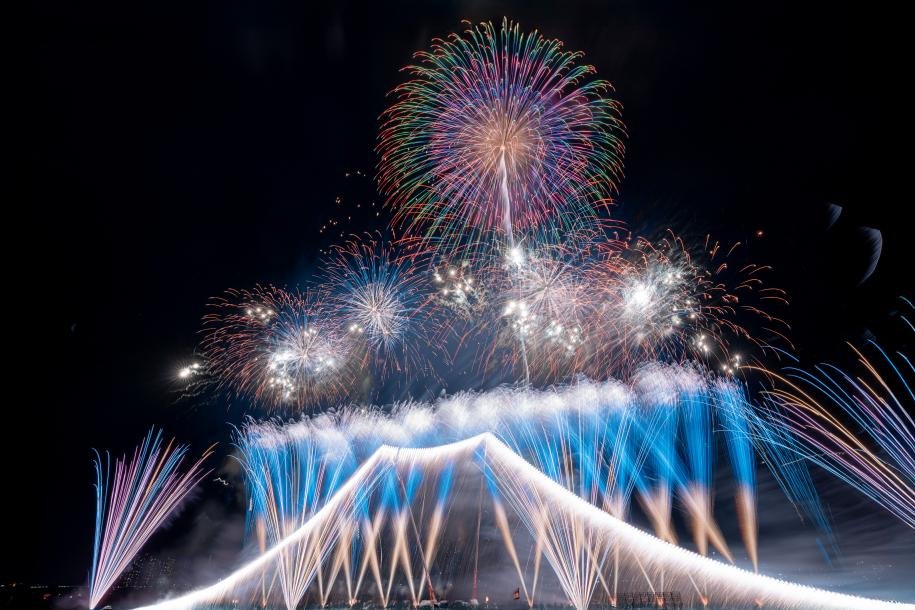
The rainy season ends in mid-to-late July, and summer festivals begin. This is when Japan comes alive with matsuri (festivals), fireworks (hanabi), and street food.
What’s great: Gion Matsuri in Kyoto (all month), Sumidagawa Fireworks in Tokyo (late July), and warm evenings perfect for outdoor dining. Mt. Fuji climbing season opens (July–early September).
What’s not: Hot and humid. Tokyo temperatures regularly hit 35 degrees C (95 F) with 70%+ humidity. Walking around all day is exhausting.
Mt. Fuji tip: Climbing season is July–early September. If you’re planning a Mt. Fuji day trip, book early — guided tours from Tokyo sell out quickly during weekends in August.
August
| Metric | Details |
|---|---|
| Temperature (Tokyo) | 24–31 degrees C (75–88 F) |
| Rainfall | Low (but typhoon risk) |
| Crowds | High (Obon week) |
| Prices | Moderate to high |
August is peak summer. It’s hot, humid, and packed with festivals. Obon (mid-August) is a major Japanese holiday when families return to their hometowns.
What’s great: Spectacular fireworks festivals (hanabi taikai) across the country. Awa Odori dance festival in Tokushima. Nebuta Matsuri in Aomori. These are once-in-a-lifetime cultural experiences.
What’s not: The heat is genuinely dangerous. Heatstroke is a real risk. Obon week (August 13–16) is one of the busiest domestic travel periods — trains and hotels are packed.
🍁 Autumn (September–November): Fall Foliage
September
| Metric | Details |
|---|---|
| Temperature (Tokyo) | 20–26 degrees C (68–79 F) |
| Rainfall | High (typhoon season) |
| Crowds | Low |
| Prices | Low |
September is a transitional month. It’s still warm, but typhoon season peaks, bringing heavy rain and strong winds.
What’s great: Fewer crowds, lower prices, and early autumn foliage in northern Japan (Hokkaido). The rice fields turn golden.
What’s not: Typhoons can disrupt travel plans for 1–3 days. Check the weather forecast regularly and build flexibility into your itinerary.
October
| Metric | Details |
|---|---|
| Temperature (Tokyo) | 14–21 degrees C (57–70 F) |
| Rainfall | Low |
| Crowds | Moderate |
| Prices | Moderate |
October is one of the best months to visit Japan. The weather is cool and crisp, humidity drops, and the fall foliage begins in the mountains and northern regions.
What’s great: Perfect hiking weather, clear skies (great for Mt. Fuji views), comfortable temperatures for city walking. Food festivals abound — autumn is called “shokuyoku no aki” (the season of good appetite).
What’s not: Not much. This is about as good as it gets.
November
| Metric | Details |
|---|---|
| Temperature (Tokyo) | 9–16 degrees C (48–61 F) |
| Rainfall | Low |
| Crowds | High (late November) |
| Prices | Moderate to high |
November is peak autumn foliage (koyo) season. Maple trees turn brilliant red and gold, especially in Kyoto, Nikko, and the Japanese Alps.
What’s great: The fall colors rival cherry blossons in beauty — many Japanese people prefer koyo to hanami. Kyoto’s temples framed by red maple leaves are breathtaking. Weather is cool and comfortable.
What’s not: Kyoto gets very crowded in late November. Book hotels 3+ months ahead.

⛄ Winter (December–February): Snow & Hot Springs
December
| Metric | Details |
|---|---|
| Temperature (Tokyo) | 4–10 degrees C (39–50 F) |
| Rainfall | Low |
| Crowds | Low (except New Year) |
| Prices | Low (except New Year) |
December is quiet and cold. Christmas in Japan is a couples’ holiday (think Valentine’s Day), and the illuminations are spectacular.
What’s great: Winter illuminations in Tokyo (Shiodome, Roppongi, Meguro), fewer tourists, and the start of ski season in Hokkaido and Nagano. Onsen (hot springs) are never better than in winter.
What’s not: Days are short (sunset around 4:30 PM). Late December gets crowded for New Year holidays (December 29–January 3).
January
| Metric | Details |
|---|---|
| Temperature (Tokyo) | 2–8 degrees C (36–46 F) |
| Rainfall | Low |
| Crowds | Low (after New Year) |
| Prices | Low |
January is the coldest month and one of the quietest for tourists. It’s also the best time for winter sports.
What’s great: World-class skiing and snowboarding in Niseko (Hokkaido) and Hakuba (Nagano). Japanese New Year (Oshogatsu) traditions — shrine visits, mochi pounding, and special foods. Mount Fuji is most visible in winter due to clear, dry air.
What’s not: It’s cold. Tokyo doesn’t get much snow, but northern Japan gets dumped on. Some attractions have reduced hours.
February
| Metric | Details |
|---|---|
| Temperature (Tokyo) | 2–9 degrees C (36–48 F) |
| Rainfall | Low |
| Crowds | Low |
| Prices | Low (cheapest month) |
February is the cheapest month to visit Japan. Flights and hotels are at their lowest prices, and the crowds are thin.
What’s great: Sapporo Snow Festival (early February) is one of Japan’s most spectacular events. Plum blossoms (ume) start blooming in late February — a preview of cherry blossom season. Onsen weather at its finest.
What’s not: Cold and short days. Some mountain roads and attractions are closed for winter.
📅 Month-by-Month Summary Table
| Month | Temp (Tokyo) | Crowds | Prices | Best Feature |
|---|---|---|---|---|
| January | 2–8 degrees C | Low | Low | Snow, New Year traditions |
| February | 2–9 degrees C | Low | Lowest | Sapporo Snow Festival |
| March | 6–13 degrees C | High (late) | Peak | Cherry blossoms begin |
| April | 10–18 degrees C | Very high | Peak | Peak cherry blossoms |
| May | 15–23 degrees C | Moderate | Moderate | Perfect weather |
| June | 19–26 degrees C | Low | Low | Rainy season (avoid) |
| July | 23–29 degrees C | Moderate | Moderate | Festivals, fireworks |
| August | 24–31 degrees C | High (Obon) | Moderate | Major festivals |
| September | 20–26 degrees C | Low | Low | Typhoon risk |
| October | 14–21 degrees C | Moderate | Moderate | Best overall month |
| November | 9–16 degrees C | High (late) | Moderate | Autumn foliage |
| December | 4–10 degrees C | Low | Low | Illuminations, skiing |
✈️ When to Book Flights
Use Aviasales to track prices and set alerts. Here’s when to book for each season:
| Season | When to Book | Typical Savings |
|---|---|---|
| Cherry blossom (Mar–Apr) | 4–6 months ahead | 20–30% |
| Summer (Jul–Aug) | 2–3 months ahead | 15–25% |
| Autumn (Oct–Nov) | 2–3 months ahead | 20–35% |
| Winter (Dec–Feb) | 1–2 months ahead | 30–50% |
Cheapest months to fly: February and June offer the lowest flight prices. If you’re flexible, these months can save you hundreds of dollars — just be prepared for cold (February) or rain (June).
🚄 JR Pass: Does Timing Matter?
The 7-day JR Pass costs about $330. Whether it’s worth it depends on your itinerary, not the season:
- Golden Route (Tokyo–Kyoto–Osaka round trip): Worth it any time of year. The round trip alone costs ~$290, so the pass pays for itself.
- Tokyo only: Not worth it. Local trains are cheap.
- Multiple cities (Tokyo + Hiroshima + Kyoto): Definitely worth it.
Buy before you arrive: The JR Pass must be purchased before entering Japan. Order through Klook and pick up your voucher at the airport or have it mailed to your home country.
Planning a short visit? Our Tokyo 48-hour weekend guide works in any season.
❓ FAQ
What is the absolute best month to visit Japan?
For most travelers: late October to mid-November. The weather is cool and comfortable, humidity is low, fall foliage is stunning, and crowds are manageable compared to cherry blossom season. Prices are moderate — not peak, not rock bottom.
When is cherry blossom season in Japan?
Cherry blossoms typically bloom in Tokyo from late March to early April, with peak bloom around March 25–April 5. Kyoto is usually a few days behind Tokyo. Northern Japan (Hokkaido) blooms in late April to early May. The exact timing varies by 1–2 weeks each year depending on winter temperatures.
When is the cheapest time to visit Japan?
February is the cheapest month for flights and hotels. June (rainy season) is the second cheapest. Avoid late March–early April (cherry blossoms), early May (Golden Week), and mid-August (Obon) for the lowest prices.
Is summer in Japan really that bad?
The heat and humidity are intense — Tokyo regularly hits 35 degrees C (95 F) with 70%+ humidity in July and August. But if you can handle the heat, summer offers incredible festivals, fireworks, and mountain hiking that you won’t experience in other seasons. Start your day early (7 AM), take afternoon breaks in air-conditioned cafes, and carry a power bank — your phone battery drains faster in heat.
When is typhoon season in Japan?
Typhoon season runs from August to October, peaking in September. Most typhoons pass quickly (1–2 days of heavy rain), but severe ones can disrupt flights and trains for 2–3 days. Build flexibility into your September itinerary and check weather forecasts regularly.
Should I avoid Golden Week?
Yes, if possible. Golden Week (April 29–May 5) is one of Japan’s busiest domestic travel periods. Trains, hotels, and attractions are packed, and prices spike. If you must travel during this period, book everything months ahead and expect crowds everywhere.